Better Together: 7 Ways Strategic Collaboration Can Completely Change Your Creative Trajectory
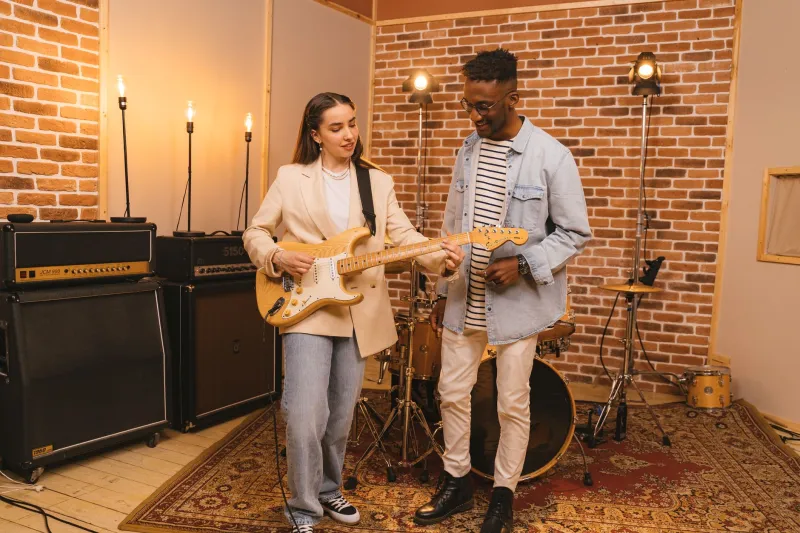
There's a romantic image of the solitary artist — the writer alone in a cabin, the actor disappearing into a role, the musician locked in a studio until 3 a.m. And look, there's something real in that. Deep individual work matters. But if you look at the careers that actually last, the creative output that actually resonates, you almost always find other people in the story.
Collaboration isn't a compromise on your vision. Done right, it's a multiplier.
Here's a practical breakdown of the different ways performers and creators can work together — and how to make each model actually function.
1. The Featured Appearance: Low Commitment, High Visibility
This is the simplest entry point into collaborative work. A musician features on another artist's track. A spoken word performer appears in a short film. A comedian guests on a podcast in their niche.
The appeal here is obvious: you get exposure to a new audience without having to build an entire project from scratch. The key is choosing these opportunities strategically rather than saying yes to everything. A featured appearance works best when there's genuine creative overlap — when your presence adds something to the host project, not just another name in the credits.
Actionable step: Make a list of five creators in adjacent spaces whose audience would genuinely benefit from knowing your work. Reach out with a specific pitch, not a generic collaboration request.
2. The Creative Exchange: Mutual Investment in Each Other's Work
This model is less formal than a joint project but more sustained than a one-off feature. Two performers commit to showing up for each other's work over a defined period — attending each other's shows, providing feedback, cross-promoting, maybe sitting in on rehearsals.
The value here is relational. You're building the kind of creative friendship that generates ideas, honest critique, and long-term professional support. The US performing arts scene, particularly in cities like New York, LA, Chicago, and Nashville, runs heavily on these kinds of lateral relationships.
Actionable step: Identify one or two performers at a similar career stage whose work you genuinely admire. Propose a structured exchange — not vague mutual support, but something specific like a monthly feedback session or co-promotion around a shared project.
3. The Co-Created Project: Shared Ownership, Shared Risk
This is where collaboration gets serious. A co-created project — a jointly written show, a collaborative album, a web series with shared creative credit — means both parties are invested in the outcome in a real way.
The upside is significant: you can build something larger than either of you could alone, and you share the promotional load. The challenge is that co-creation requires genuine alignment on vision, work ethic, and expectations around credit and revenue. More collaborations fall apart over unspoken assumptions than creative differences.
Actionable step: Before committing to a co-created project, have an explicit conversation about decision-making authority, credit structure, and what happens if one person needs to step back. It feels awkward. Do it anyway.
4. The Mentor-Apprentice Collaboration: Learning Through Proximity
Not all collaboration happens between peers. Some of the most formative creative relationships involve a meaningful experience gap. Working closely with someone further along in their career — as an assistant director, a production associate, a session player — is its own form of collaboration that pays dividends in craft development.
Equally, if you're further along, mentoring someone newer isn't just altruistic. Teaching forces you to articulate things you've internalized, and working with emerging artists often surfaces fresh perspectives that can crack open your own practice.
Actionable step: Look for structured opportunities — workshops, assistant positions, masterclasses — where the collaboration is built into the format. These are often easier entry points than cold outreach.
5. The Cross-Discipline Crossover: Working Outside Your Lane
Some of the most interesting creative work happening right now sits at the intersection of disciplines. A theater director working with a visual installation artist. A hip-hop performer collaborating with a contemporary dance company. A storyteller partnering with a documentary filmmaker.
These crossovers are generative precisely because they force you out of your established habits. When you're working with someone whose medium operates on different rules, you have to get explicit about things you normally take for granted — and that explicitness often unlocks new approaches.
Actionable step: Attend events and openings outside your primary discipline. The performing arts community and the visual arts community in most major US cities overlap more than people realize, and those overlaps are where interesting collaborations start.
6. The Platform-Sharing Model: Building Audience Together
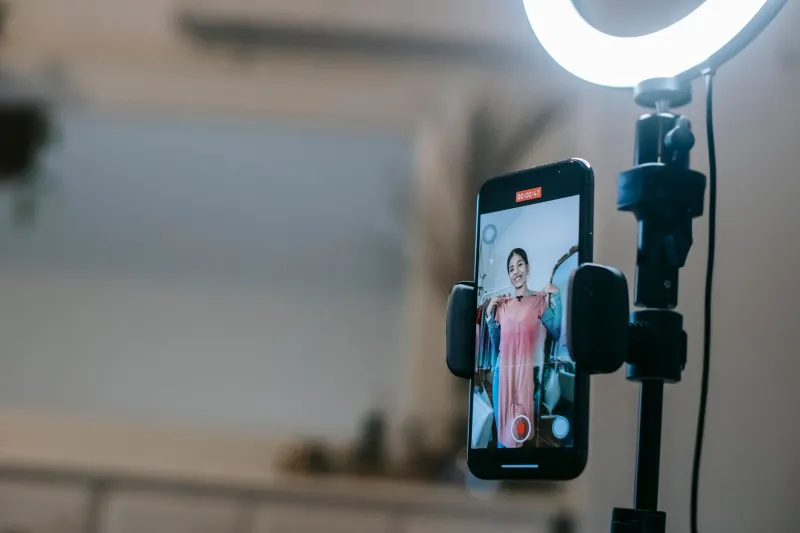
This is particularly relevant in the digital space. Two or more performers build something together specifically designed to grow a shared audience — a joint YouTube channel, a co-hosted podcast, a recurring live stream series.
The math here is straightforward: two audiences combined and cross-pollinated is usually larger and more engaged than either alone. What makes this work is genuine chemistry and a format that benefits from multiple voices rather than just tolerating them.
Actionable step: Before launching anything joint, do a few informal test runs — a live conversation, a co-post, a joint event. See if the chemistry holds when it's real before you commit to a long-term format.
7. The Commercial Collaboration: Aligning on a Project With Real Stakes
Finally, there's the collaboration that has a commercial engine — a touring show, a brand partnership, a commissioned work. When money is involved, the dynamics shift. That's not a bad thing, but it requires more explicit structure.
The performers who handle commercial collaborations well treat them like any other professional engagement: clear agreements, defined roles, and enough creative alignment upfront that the pressure of the commercial context doesn't fracture the relationship.
Actionable step: If you're approached for a commercial collaboration — or if you're initiating one — get the core terms in writing before you start creating. Not because you don't trust the other person, but because clarity protects the relationship when things get complicated.
The Thread Running Through All of It
Every collaboration model on this list requires the same foundational thing: genuine respect for the other person's creative perspective. Not agreement on everything, not identical aesthetics or approach — but real respect.
The collaborations that produce the best work, and the best career outcomes, are the ones where both parties feel like they're making something neither could have made alone. That feeling doesn't happen by accident. It happens because you chose carefully, communicated honestly, and showed up fully.
Your best work might be waiting on the other side of a conversation you haven't had yet.