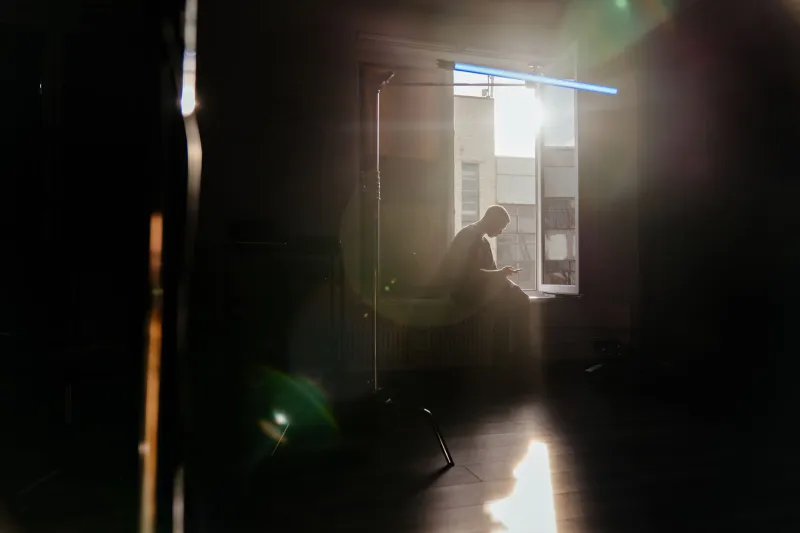
Who Are You When the Curtain Comes Down? The Identity Puzzle Every Performer Has to Solve
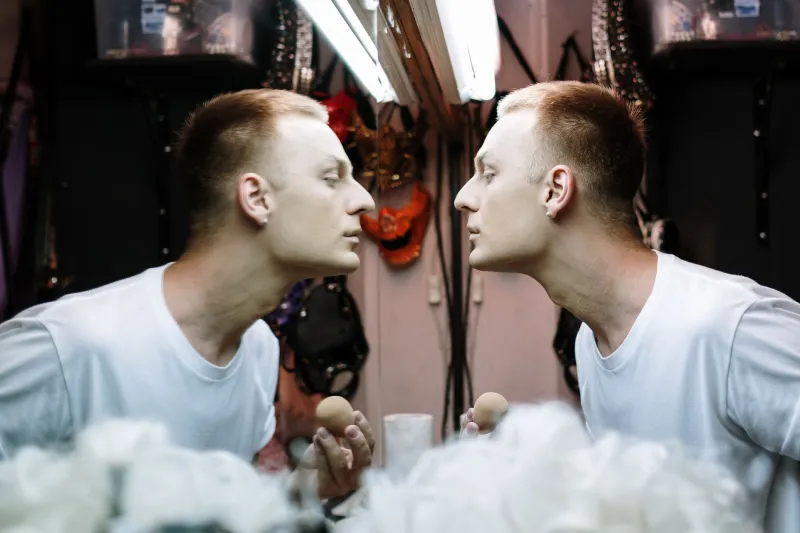
Here's a question I've been sitting with for a while: if your job is to convincingly be someone else, how do you know who you are when you're just being you?
I'm not asking this to be dramatic. I'm asking because I think it's one of the most genuinely underexplored tensions in a performing career, and it's one that tends to surface in uncomfortable ways — burnout, creative blocks, a vague but persistent sense of emptiness even when things are going well professionally. The industry talks a lot about technique and hustle and branding. It talks a lot less about the psychological complexity of spending your life inhabiting other people's inner worlds.
So let's talk about it.
The Character Accumulation Problem
Every role you play leaves a residue. This is actually part of what makes great performers great — they carry their characters with them, absorb them, let the experience of being someone else expand their understanding of what it means to be human. That's the gift of the work.
But here's the flip side: if you're working steadily, you're accumulating characters faster than you're processing them. The villain from last season's regional theater run. The quirky best friend from the web series. The wounded protagonist you spent six months inside for an indie film. Each of those roles required you to access something real in yourself — some genuine emotion, some authentic impulse — and then shape it into someone else's story.
Over time, without deliberate attention, the line between "emotional access point" and "personal identity" can blur. Performers sometimes find themselves reaching for a character's response in their own life because it's more readily available than their own. That's not a moral failure. It's a psychological hazard of the job, and it deserves to be named.
The Social Media Persona Layer
And then there's the internet, which has added a genuinely new dimension to this problem.
Today's performers aren't just managing their characters — they're managing their personal brand, which is itself a kind of curated persona. Your Instagram isn't just your life; it's a strategic presentation of your life designed to attract a specific audience and communicate a specific identity to casting directors, collaborators, and fans. You're essentially playing yourself, but a version of yourself that's been edited, lit, and captioned.
For some performers, this feels natural and even fun. For others, it creates a strange vertigo: you're performing even when you're not performing. The "authentic" moments you share are selected, which makes them not entirely authentic. And the audience — whether it's 500 followers or 500,000 — responds to the persona, which starts to feel like it's feeding the persona rather than the person.
This isn't unique to entertainers, but it hits differently when your entire professional identity is already built on the art of constructed presentation.
What "Authentic" Actually Means in This Context
I want to push back gently on the idea that authenticity means performing without a persona. That's not really possible, and it's not actually desirable. Every effective communicator — performer, speaker, teacher, leader — shapes how they present themselves to their audience. That's not inauthenticity. That's craft.
Authenticity, in the context of a performing career, is something more specific. It's about whether your persona choices are grounded in something real about you versus constructed purely for external approval. It's the difference between a stage name that captures a genuine facet of your personality and a stage name designed to game an algorithm. It's the difference between a character choice that emerges from your own emotional truth and one that's calculated to be palatable.
The performers I find most compelling — and I suspect you do too — are the ones where you can feel the real person underneath the performance. Not because they're breaking character, but because the character is clearly built on something genuine. That's not a coincidence. It's a craft decision, and it requires knowing yourself well enough to make it.
Preventing the Burnout That Nobody Talks About
Role-switching burnout is real, and it's distinct from the general creative exhaustion that most performers experience at some point. It's specifically the fatigue that comes from constant identity modulation — from never quite being able to settle into a stable sense of self because the job keeps asking you to be someone else.
Some things that actually help:
Rituals of return. Develop a consistent practice that signals to your nervous system that you're back in your own skin. This can be something as simple as a specific song you play after leaving a set, a physical practice like running or cooking, or a journaling habit. The content matters less than the consistency. You need a reliable way to come home to yourself.
Non-performing creative outlets. If every creative thing you do is connected to your professional output, you have no private creative space. Find something — painting, writing for no one, playing an instrument badly — that exists purely for you, with no audience and no stakes.
Honest relationships. Surround yourself with people who knew you before the career took off, or who are genuinely unimpressed by the professional persona. People who call you by your real name and remember embarrassing things about you. These relationships are anchors.
Therapy, again. I know I sound like a broken record, but performers navigating identity complexity specifically benefit from working with a therapist who understands the unique psychology of creative careers. This isn't about dysfunction — it's about having a dedicated space to sort through the layers.
The Paradox Isn't a Problem to Solve
Here's where I land on this: the tension between performing other people and knowing yourself isn't something you resolve once and move on from. It's an ongoing negotiation that lives at the center of a performing career. The performers who thrive long-term aren't the ones who figure out the perfect balance — they're the ones who stay curious about the question.
Who are you when the curtain comes down? That's not a problem. That's the most interesting question your career is asking you. Stay with it.