Twenty Minutes to Showtime: A Backstage Reset That Turns Nerves Into Fuel

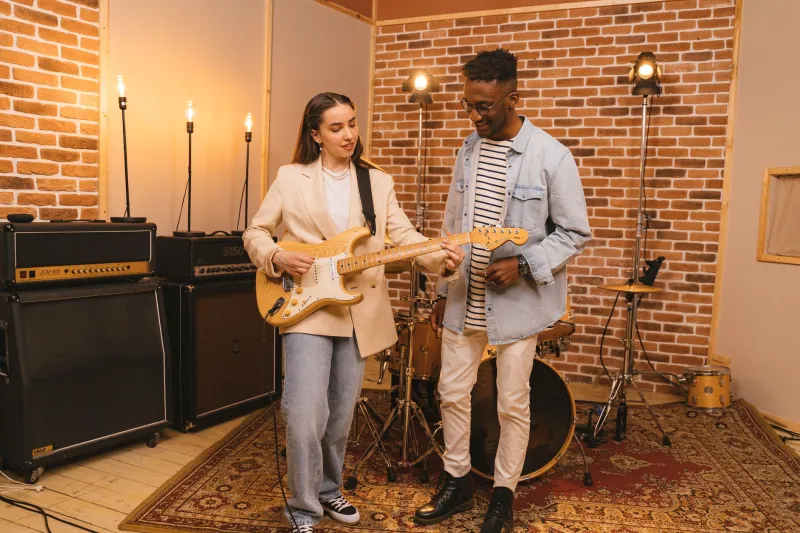
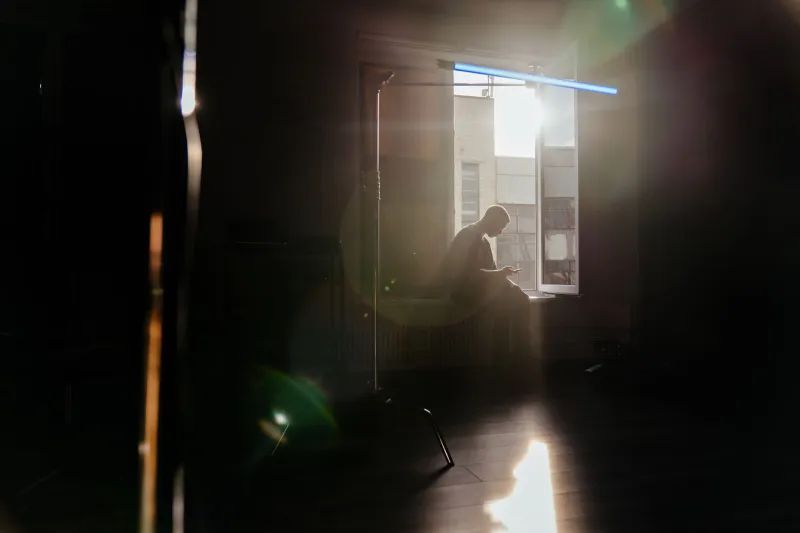
Photo: performer backstage warming up before show, via i.etsystatic.com
Twenty minutes. That's the window most of us get — the gap between the green room and the moment someone says your name over a PA. It's also the window most performers waste. Not on purpose. It just disappears. You check your phone, you re-read the setlist for the ninth time, you have a half-conversation with someone in the hallway, and suddenly you're walking into a light cue with your heart doing a drum solo and no idea what your first line is.
I've bombed enough openings to know that the problem usually isn't talent. It's transition. There's no bridge between the person in the street and the person onstage, so your nervous system invents one, and it usually sounds like what if this goes badly.
What follows is the routine I've landed on after years of trial, error, and one memorable night of doing jumping jacks in a bathroom stall. It's twenty minutes, it's flexible, and it works whether you're an actor, a musician, a comic, or a dancer who's about to spend the next act praying the floor isn't slippery.
Why the last twenty minutes beat the two hours before
Most pre-show advice is about the whole day — hydrate, eat, rest, don't schedule a dental appointment at 4 p.m. Fine. But the body doesn't care about your calendar. It cares about what's happening right before the threshold.
Nerves aren't a malfunction. They're a resource: adrenaline, blood flow, alertness. The trick isn't to eliminate them, which is impossible, but to give them a job. A routine gives them a job. It also gives you something to do with your hands other than refreshing a social feed that will only remind you that somebody else booked something cooler.
Minutes 0–4: Get out of your head and into your body
Start physical, because thinking your way out of anxiety is like trying to talk your way out of a cold swimming pool. Movement first, mind second.
- Shake it out. Hands, wrists, shoulders, legs. Fifteen seconds each. Look unhinged. Nobody backstage cares.
- Find your base. Stand with your feet roughly hip-width, weight even, and just notice where the floor is. Performers who are floating tend to rush. Performers who are grounded tend to breathe.
- Roll down and up. Slow, one vertebra at a time. This is the closest thing to a reset button the human spine offers.
- One big stretch. Arms overhead, yawn if it happens. A real yawn is worth more than three fake breathing exercises.
The goal isn't a workout. It's the message: we're doing something now, not just waiting to be evaluated.
Minutes 4–8: Breathe like you mean it
I resisted breathwork for years because a lot of it is explained in a tone I find difficult. But the mechanics are boring and real: shallow chest breathing feeds anxiety, low belly breathing interrupts it.
Try this instead of counting to four like a wellness app. Inhale through the nose for about four counts, let the exhale run long — six or seven — and hum the last bit out. The hum matters. It's basically a free vocal warm-up that also slows your heart rate. Do it eight times.
Then stop thinking about breathing and go back to being a person.
Minutes 8–13: Wake up the voice (or the body, or the chops)
Run your instrument, but lightly. This is not the time for a full warm-up that leaves you tired.
- Actors and speakers: lip trills, a few tongue twisters, two sentences of your actual material at full volume. Full volume is key — mumbling backstage and then projecting onstage is a jump your voice will resent.
- Singers: gentle slides, a hummed scale or two, and one phrase of a song you love that isn't in the set. Joy is a warm-up too.
- Comics: say your first forty-five seconds out loud, standing, facing a wall like it's a person. This is not about memorization. It's about hearing your own rhythm.
- Dancers: activate the joints you're about to ask for mercy — ankles, hips, shoulders — and mark the first eight counts. Marking beats stretching at this point; you want warm and awake, not loose and noodly.
Minutes 13–17: Cue the mind
This is the part where you tell yourself what you're actually doing, because your brain will happily invent a story if you don't give it one.
Three moves, in order:
- Name the intention. One sentence. I want this room to feel less alone. I want to make the guy in the back row laugh. Not don't screw up. The brain doesn't process negatives; it just rehearses failure.
- Pick one cue. Not a checklist. One word or image you'll return to mid-set — slow, shoulders down, tell it. Checklists are for rehearsal. Cues are for performance.
- Picture the first twenty seconds. Only that. Not the whole show. Walking on, the first breath, the first line. Confidence lives in the near future, not the distant one.
Minutes 17–20: Land in the room
Put the phone away. Actually away, not face-down on your thigh. Walk the path you'll walk. Stand where you'll stand. Look at the space while it's still empty, so the room isn't a surprise later.
Then take one last breath, say something kind to yourself, and go.
When the routine falls apart
It will. Double-bills run late, a green room is a hallway, someone needs a cable you were using to warm up. On those nights, keep the skeleton: move, breathe, one line out loud, one cue. Ninety seconds is better than nothing, and nothing is not a neutral choice — it hands the twenty minutes over to the nerves.
One last thing. Do the same routine twice a week even when you aren't performing. Habits don't show up on command; they show up because you rehearsed them. The backstage version of you isn't a different person. It's just this one, with a plan.