The Shape of a Show: Sequencing a Set So the Room Leans In Forward
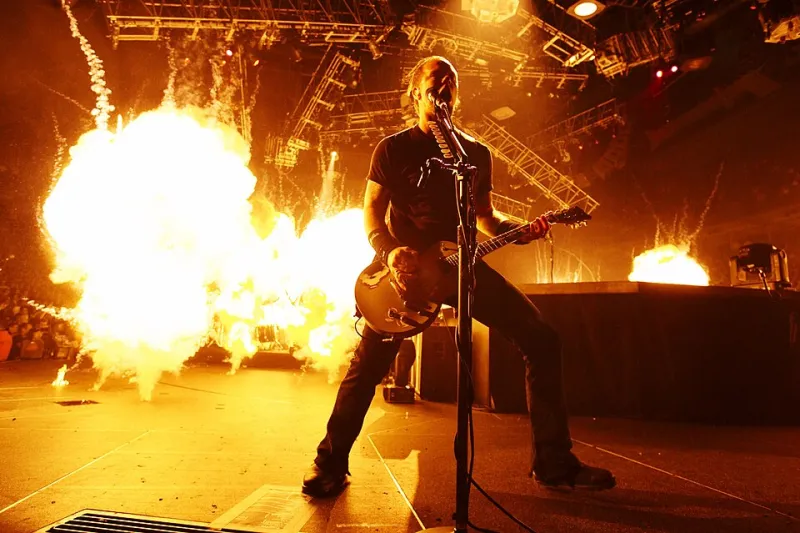
Photo: DallasFletcher, CC BY-SA 4.0, via Wikimedia Commons
I once played a forty-minute set at a listening room in Philadelphia where everything went right except the order. The songs were solid. The banter landed. The sound guy liked me. And the room still left flat, because I'd put the emotional peak at minute twelve and then spent the rest of the night politely asking a satisfied audience to get excited again.
Sequencing is the part of live performance nobody teaches. You learn how to hold a note, how to hold a room, how to hold a mic so it doesn't feed back. But nobody sits you down and says: the order of these pieces is a sentence, and right now you're writing it backward.
So let's talk about it.
Start With the Room, Not the Running Order
Most performers build a set in the order the material was written — newest first, or chronological, or whatever feels safest. That's a studio habit, not a stage habit. A recording can be shuffled. A live show can't, because the audience in front of you has a memory.
Before you write a single piece down, answer three things:
- Who's in the room? A bar crowd at eleven at night and a theater crowd at 7:30 have completely different attention spans and completely different reasons for being there.
- What do they already know about you? If you're opening for someone, half the room is waiting for the headliner. That changes how much setup each piece needs.
- What do you want them to say in the car? One sentence. If you can't answer that, the set has no thesis, and no running order will save it.
The Hardest Slot in Any Show Is Second
First is easy — the audience is curious and forgiving. But second is a trap. You've spent your best opener, the room just settled in, and now you have to prove you're not a one-trick thing without burning the energy you'll need later.
My rule: slot two should be adjacent to your opener, not a clone of it. Same world, different room. If the opener was loud and funny, the second piece is loud and a little sad. If the opener was a slow story, the second is a faster one in the same voice.
This is where theater people have an edge on the rest of us. A good one-act is built from scenes that shift temperature without shifting genre. Steal that instinct.
The Two-Peak Rule
Old cabaret advice, still true: give them two high points — one about a third of the way in, one near the end — and let everything between them be the valley where you do your real best writing.
Why two? Because the first peak buys permission. The audience thinks, okay, this is what we're doing tonight, and they relax. Then, when you take them down into the quieter material, they trust you enough to follow. The second peak is the one they remember, because they had to climb for it.
The mistake almost everyone makes is peaking once, early, then trying to top it. You can't top it. You can only circle back to it from a different angle.
Give Them a Breath They Didn't Ask For
Somewhere in the back half, put in the thing that stops the machinery. A pause. A story with no punchline. A song that's just pretty. A moment where you look at the crowd and say something true and slightly uncomfortable.
Comedy rooms will fight you on this — they're trained to punish silence — which is exactly why it works. When a crowd stops laughing and stays with you, you've turned a room full of people watching a set into a room full of people watching a person. That's the whole job.
Design the Exit, Don't Just Stop
The last three minutes are a contract. Nail them and the audience forgives thirty minutes of wandering. Fumble them and they forget twenty minutes of brilliance.
Three ways performers wreck the close:
- The apology ending. 'That's all I've got, thanks for coming out.' Never.
- The endless fake ending. You start to close, they clap, you do one more, they clap, you do another. Two encores is charming. Four is a hostage situation.
- The newest material. Never close on something the audience is meeting for the first time. Close on a piece you could do in your sleep, so you can actually be present for it.
Build the Arc Before You Build the Set
Here's the practical version. Before rehearsal, write the running order on an index card and draw a line above it — a little mountain range of where you think the energy goes. High, low, high, medium, low, high. If the line looks like a flat road, you have a playlist, not a show.
Then time your transitions in rehearsal. The dead air between pieces is where audiences decide whether they like you. Twelve seconds of retuning is fine. Forty seconds of hunting for a capo is a mood killer.
One more thing that took me years: keep a 'killed here' list. Every time a piece dies in a specific slot in a specific kind of room, note it. After a dozen shows you'll have real data instead of vibes, and your instincts will sharpen accordingly.
The Takeaway
Nobody in the audience will ever know you sequenced the set. They'll just know they didn't check their phone. That's the whole trick — the structure disappears, and what's left is the feeling that tonight meant something.
Order is a craft. Treat it like one.